

ICC: Why NGOs are concerned, not States
A reflection on the Assembly of States Parties examines what those differences reveal about support for the court.

Africa’s web portal for international criminal justice
18 published stories
A reflection on the Assembly of States Parties examines what those differences reveal about support for the court.

As victims await justice, investigators are harnessing satellite imagery, social media videos and citizen footage to document Russian atrocities for future prosecutions.

The election would shape the prosecution office’s direction for a nine-year term.

head of the verdict, victims' counsel Joseph Manoba discusses their hopes for justice, reparations and the challenges of representing 2,564 survivors.
The judgment was due during the international campaign against gender-based violence.

JFJ examines what the proceedings meant for women seeking recognition and justice after captivity.

Judy Mionki and Kate Orlovsky explain the practical difficulty of maintaining family contact during detention in The Hague.

The proposal addressed the gap in how the statute treated the intentional starvation of civilians in different types of war.
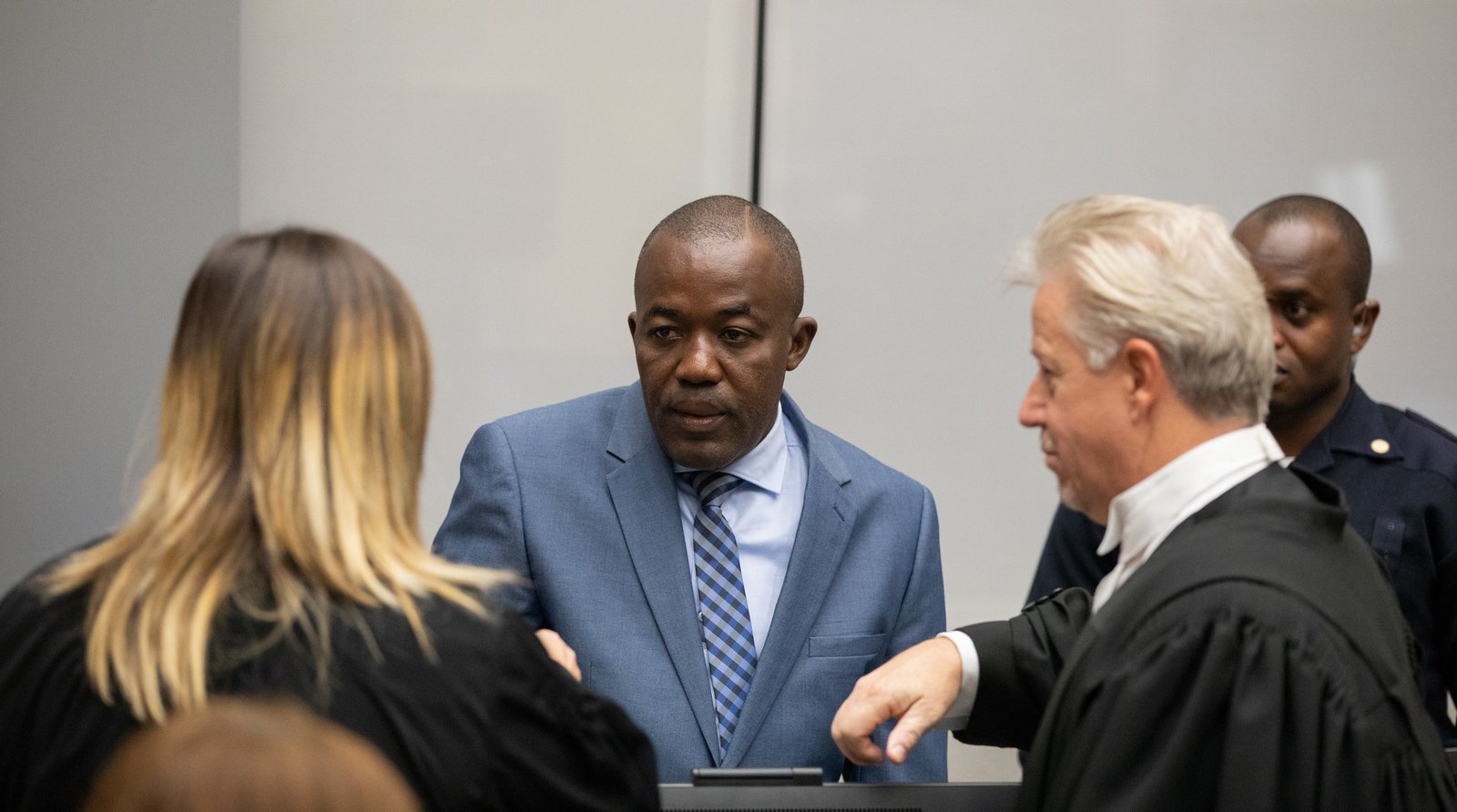
Thomas Verfuss examines why access to the documents under discussion matters for meaningful proceedings.

The appeals chamber confronted questions raised by the earlier refusal to authorise the prosecutor’s investigation.

The commentary asks how observers and participants can follow a hearing when the allegations under discussion are unavailable to them.
The victims asked judges to reconsider their refusal to let the prosecutor investigate alleged crimes committed in Afghanistan over 15 years.
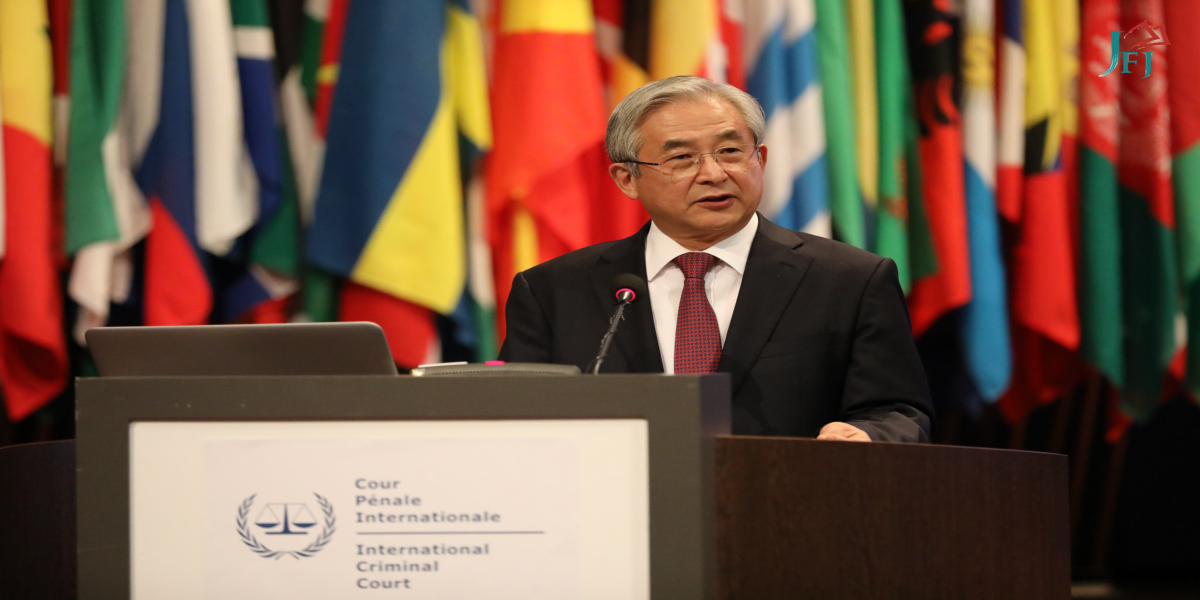
In an interview at the assembly’s 17th session, he discusses the prospects for attracting new members and sustaining the fight against impunity.