

Death Contracts
How the Pipeline Spread Across Africa
After tracing individual recruits’ journeys, JFJ examines how the system operated beyond any one country.

Africa’s web portal for international criminal justice
287 published stories · Page 2
After tracing individual recruits’ journeys, JFJ examines how the system operated beyond any one country.
The chapter describes how reporters sought access to prisoners of war and what they learned about life in captivity.
The chapter opens with Daniel Kariuki, a former Kenya Air Force officer, and follows recruits into frontline service.
Recruits describe the transition from travel and employment paperwork to camps, uniforms and compulsion.
Death Contracts follows individual cases, including a young man in Mogadishu whose financial difficulties ended his university studies.
The chapter opens with the case of Lemekhani Nyirenda, a Zambian student who went to Moscow to study nuclear engineering.
The executive summary traces the cross-border system the investigation documented between 2022 and 2026.
Accounts of civilian job offers, tourist travel and contracts in an unfamiliar language raised questions about how men ended up at war.
On December 27, 2025, Charles Waithaka called from Russia. Bibiana Wangari Waithaka recalls what he could barely bring himself to say.
This page identifies the publisher and sets out the terms for using the investigation.
JFJ credits the people who investigated, wrote, edited and reviewed its report on African recruits in Russia’s war.
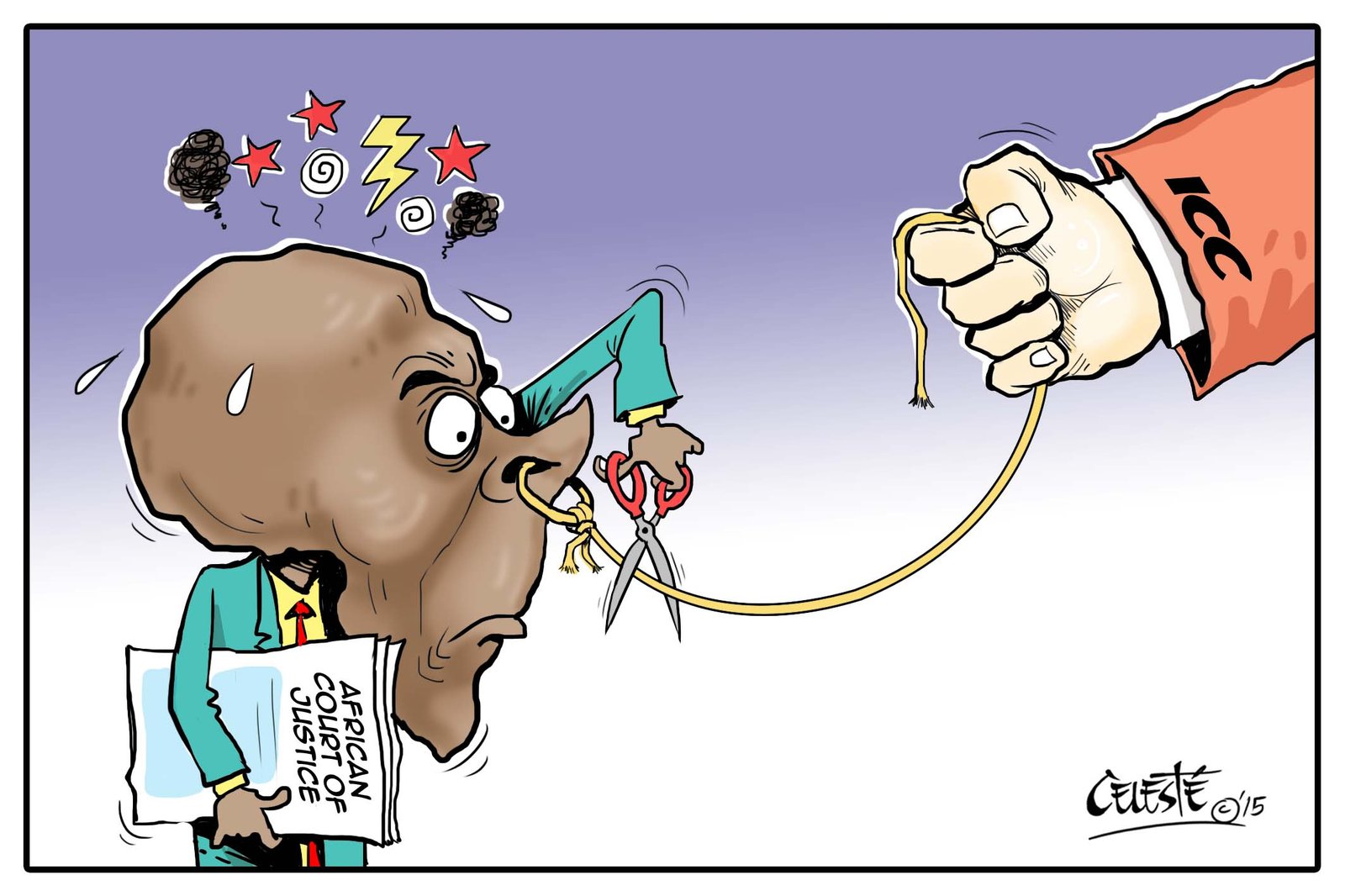
The stakes are particularly high for people who turn to the court when domestic justice systems fail.
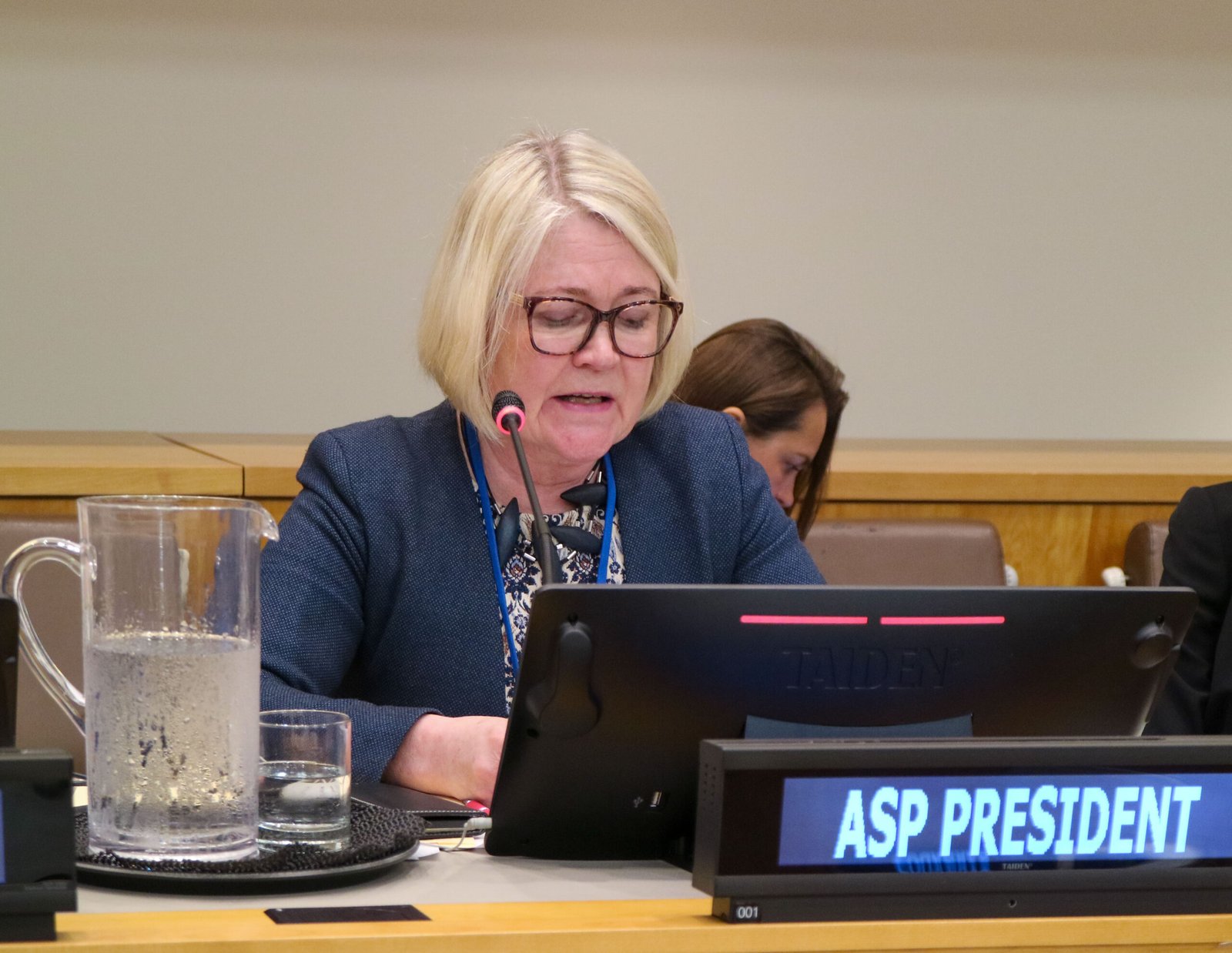
More than a month after his removal, member states had yet to announce publicly how the search would proceed.